Paris
Elopements & Intimate Weddings
Photography, video & film · in English y en español
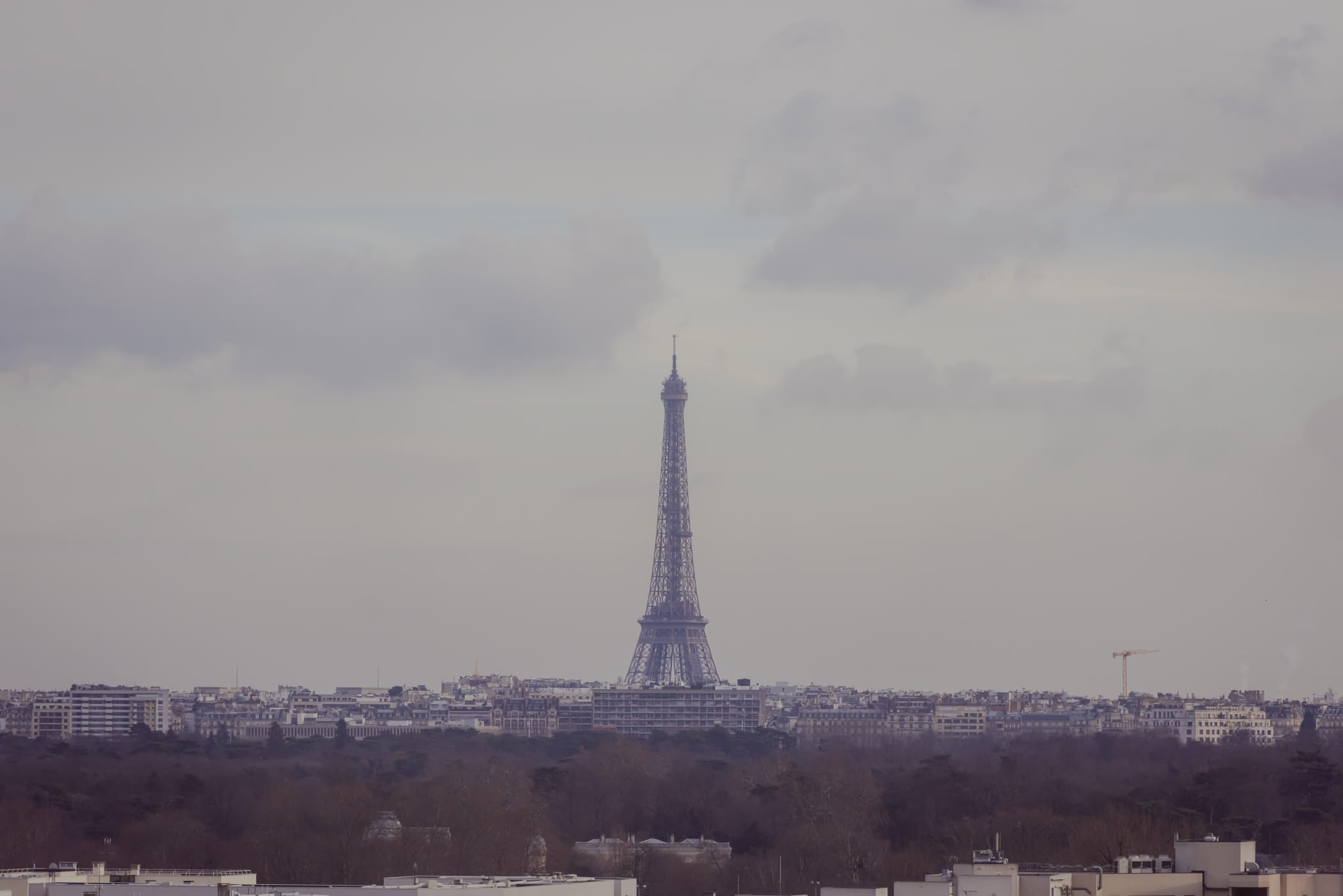
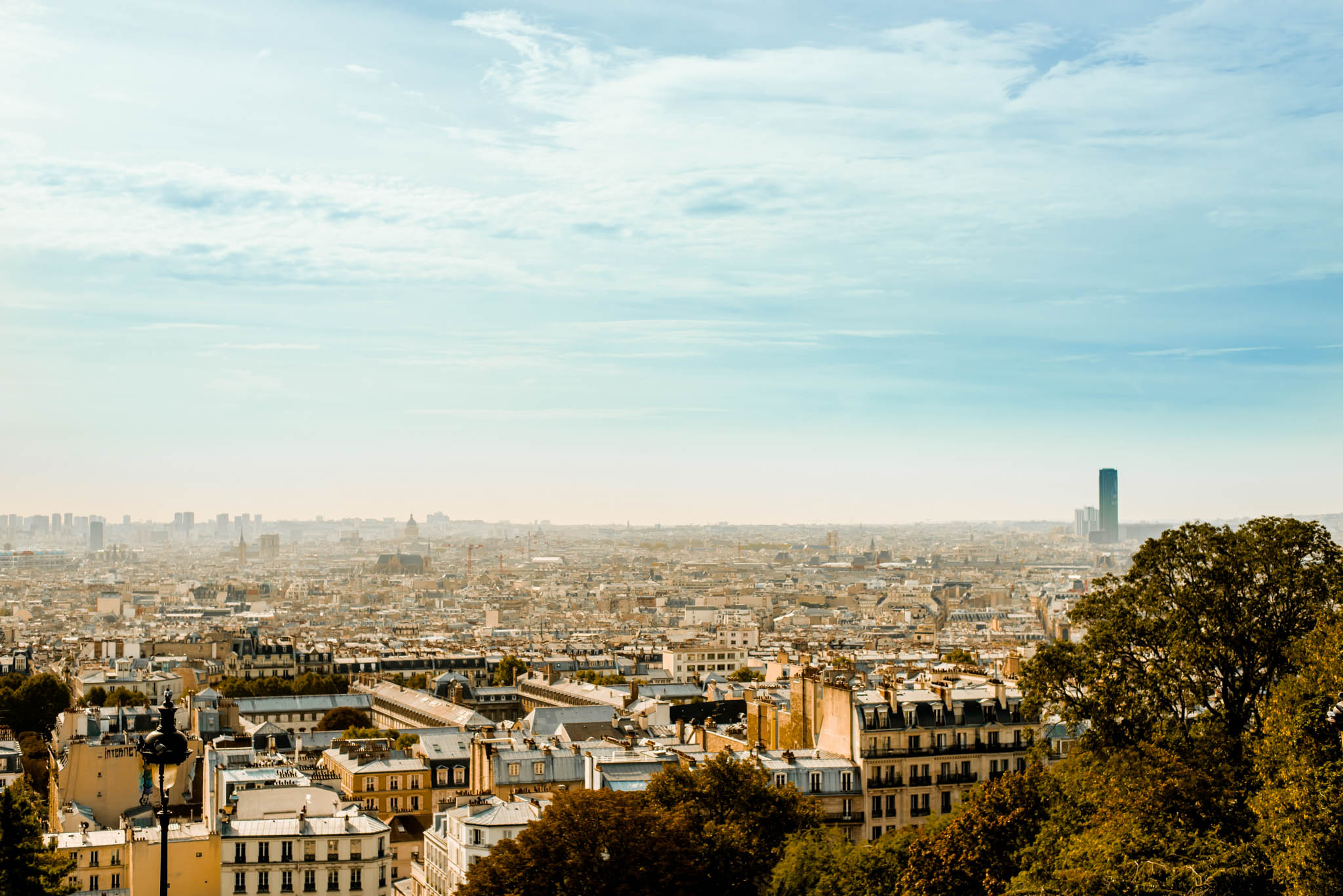
Paris might be the most photographed city in the world. I like to slow down and look for the parts of the city that suit the two of you.
That usually means starting early, before the shops open, and walking the side streets.
A little about me
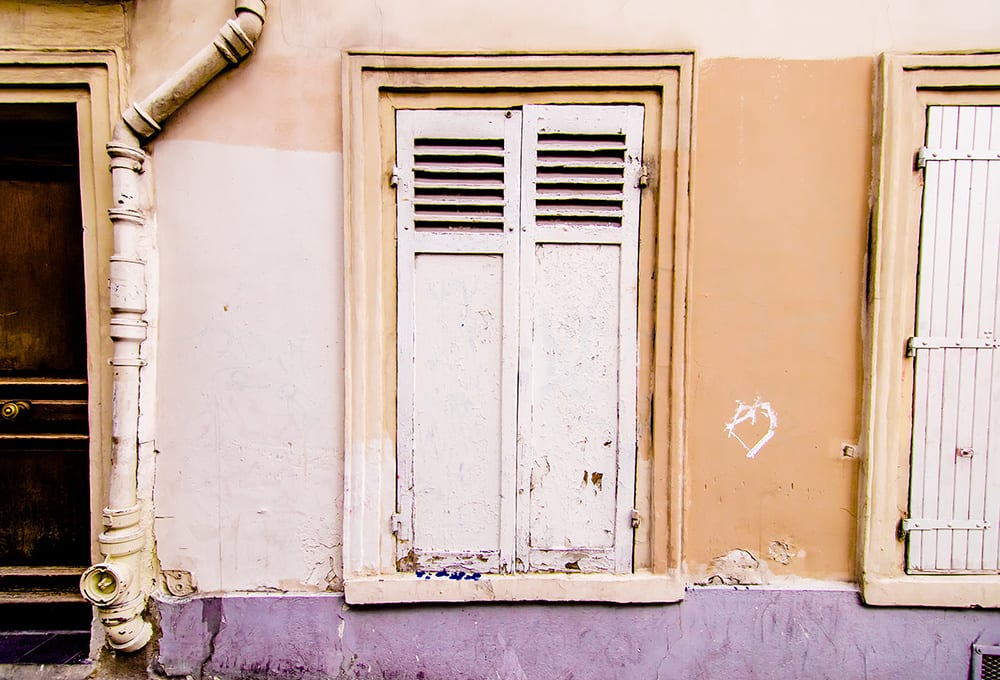
I grew up outside Chicago, and I've lived in Oaxaca, Mexico, since 2007. My wife and our three kids were all born there. After this many years as the foreigner, I still notice the small things, like a heart someone scratched into the wall next to a window.
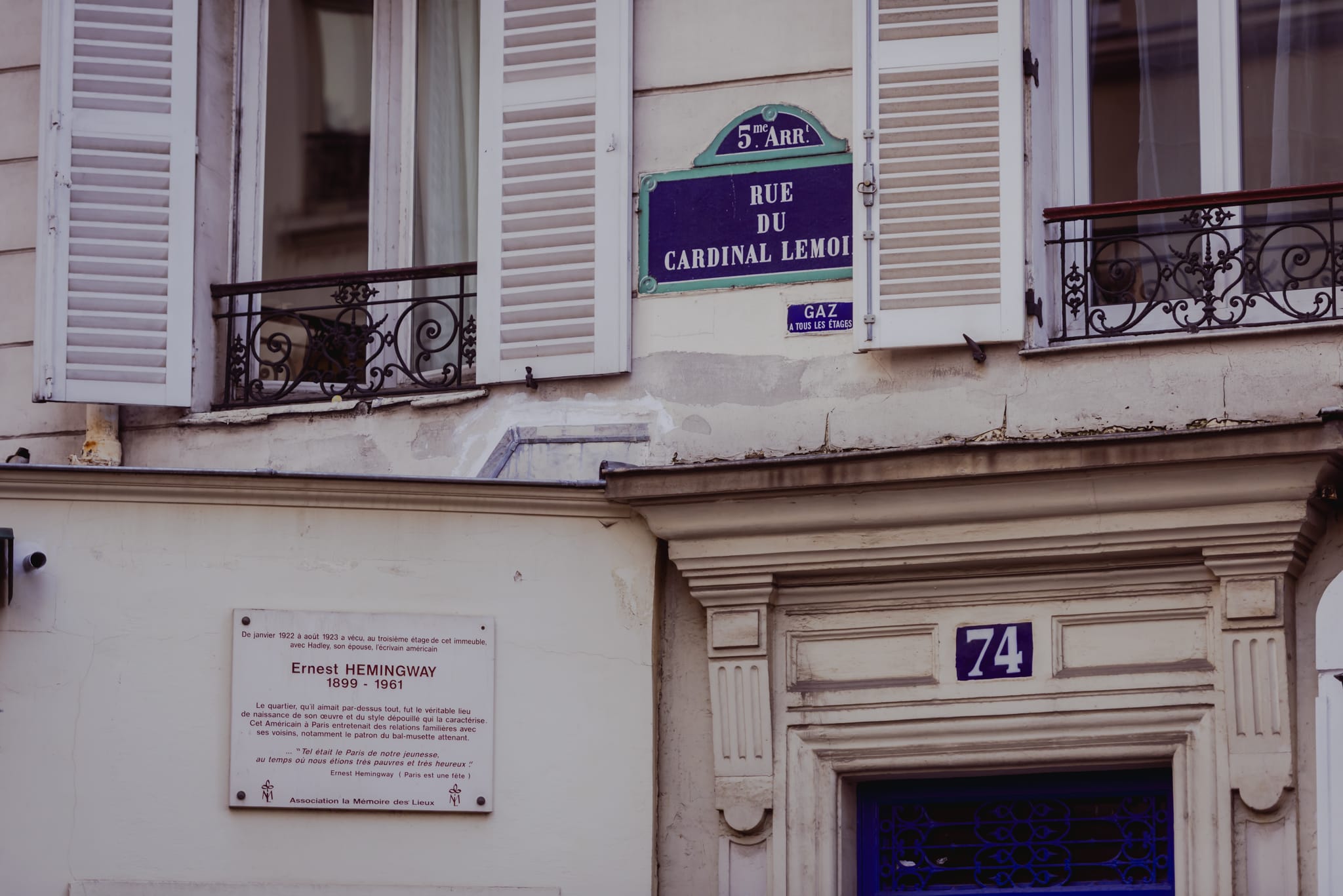
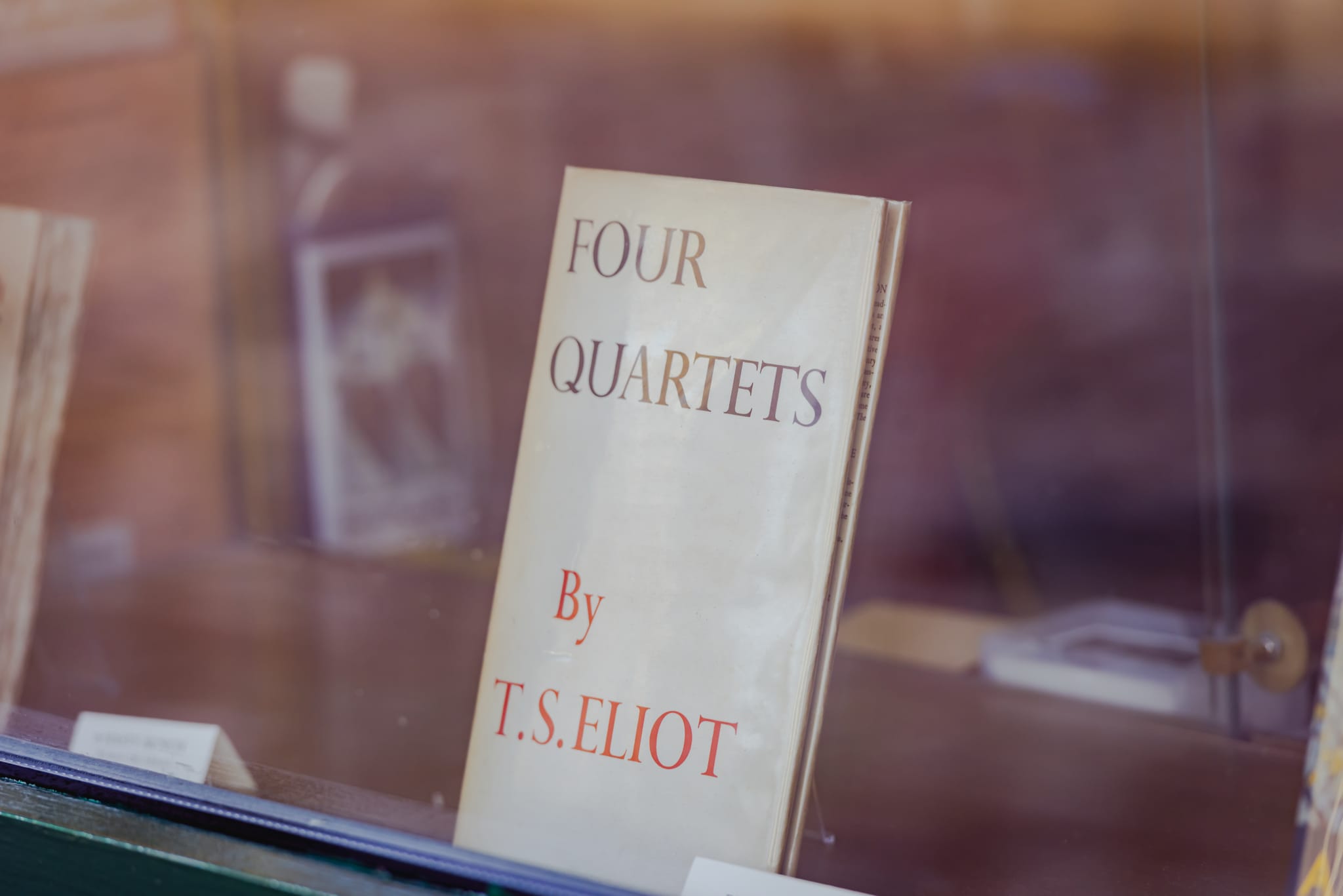
74 rue du Cardinal Lemoine, where Hemingway lived in the early twenties. I like finding places like this. If a book or a writer is part of why you chose Paris, tell me, and we can go find it.
Choose me for the Paris I love to capture, inspired by the literary scene of the 1920s and '30s, Beach, Hemingway & Joyce, and cinéma vérité, and Sartre and Bolívar, Baldwin and Wright, and the light, the light of winter, the light of summer, the streetlamps at dusk.
In English, y en español
Maybe half the family speaks Spanish and the other half English. Or you're from Mexico or Latin America and chose Paris for yourselves. Either way, I can talk with everyone in their own language. I've been photographing weddings in both for almost twenty years.
"Although we were born in Mexico, we live in the US. Douglas had the best of both worlds. He is fluent in both English and Spanish, which allowed us to express as was natural to us."
How I work
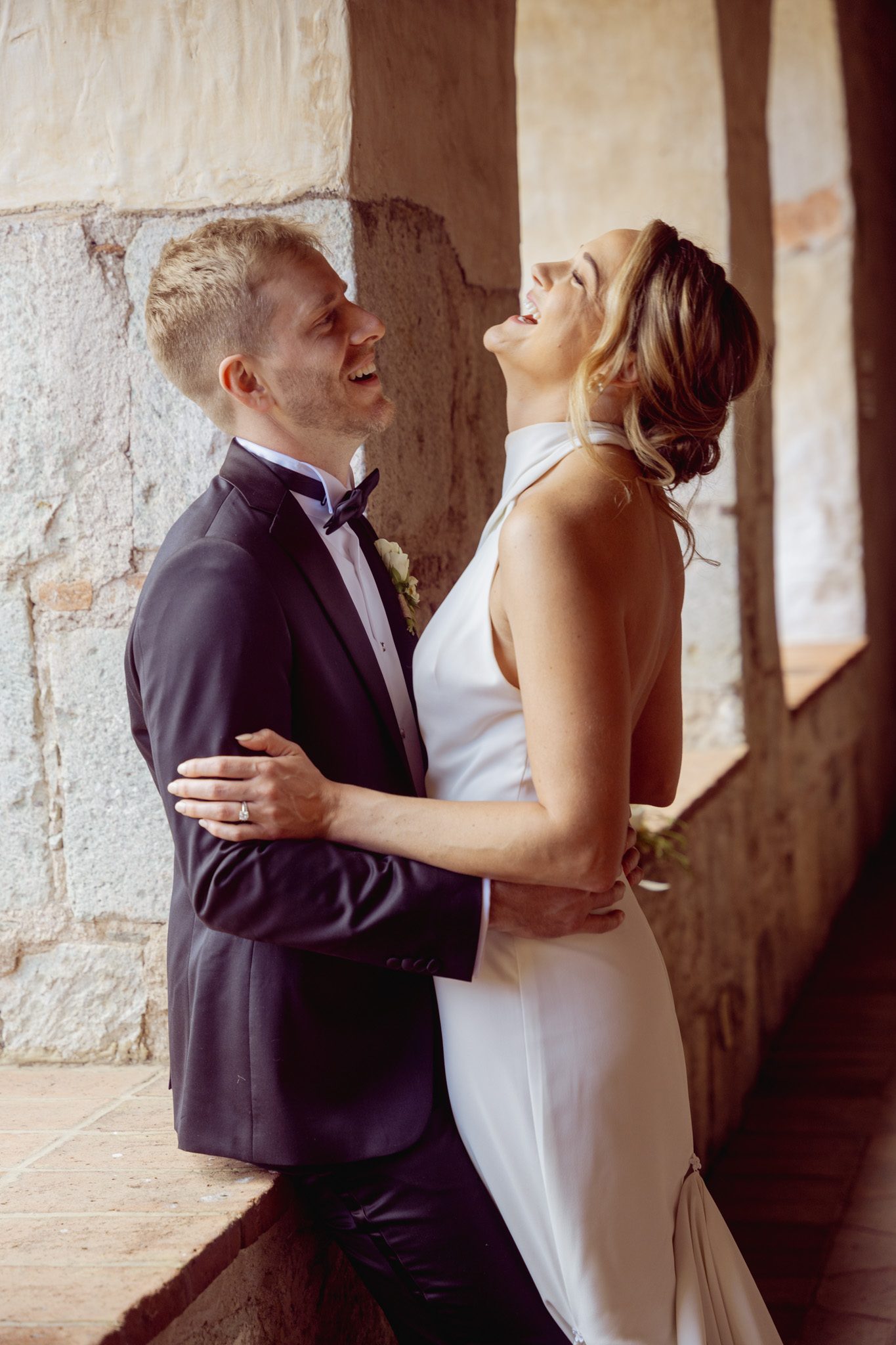
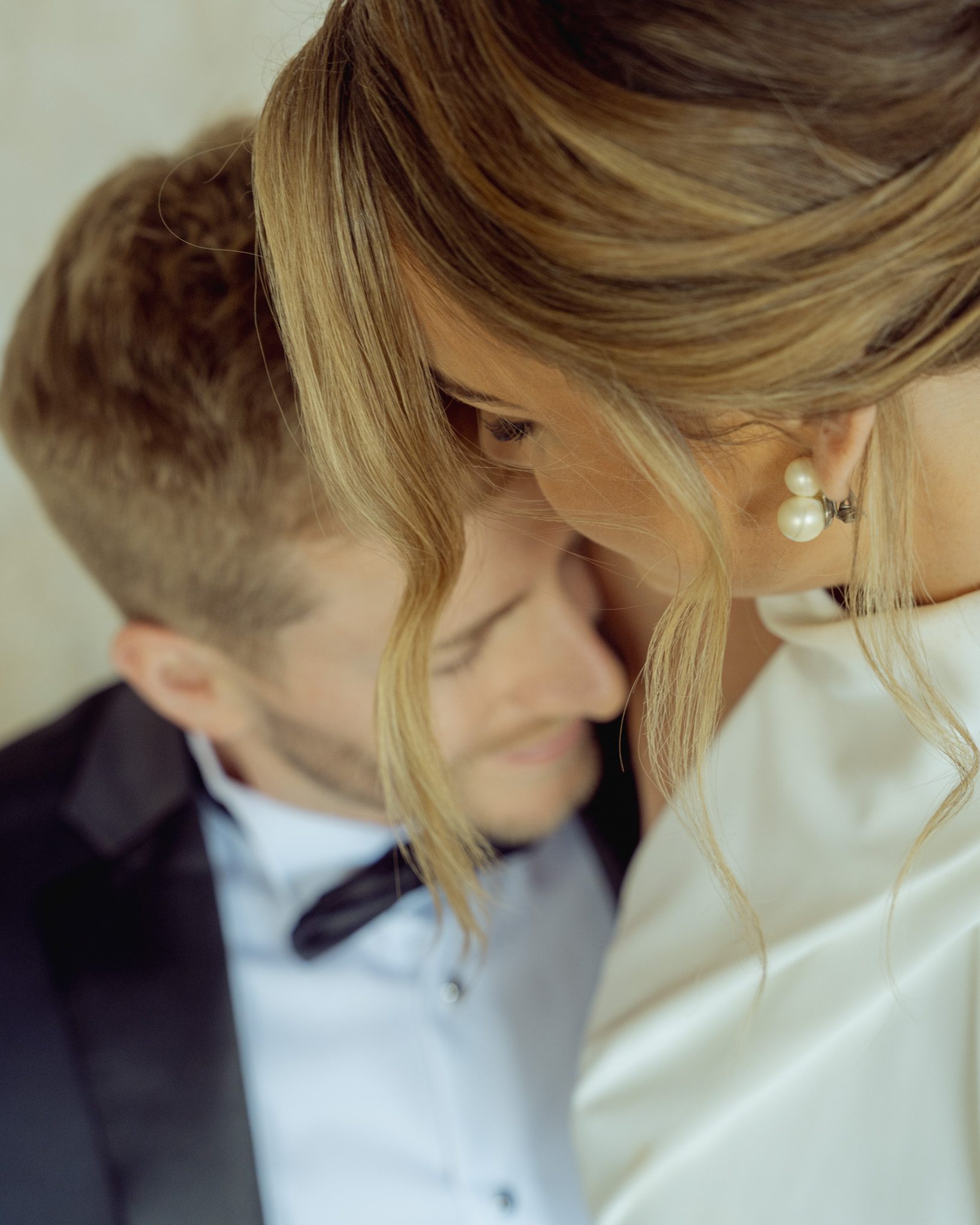
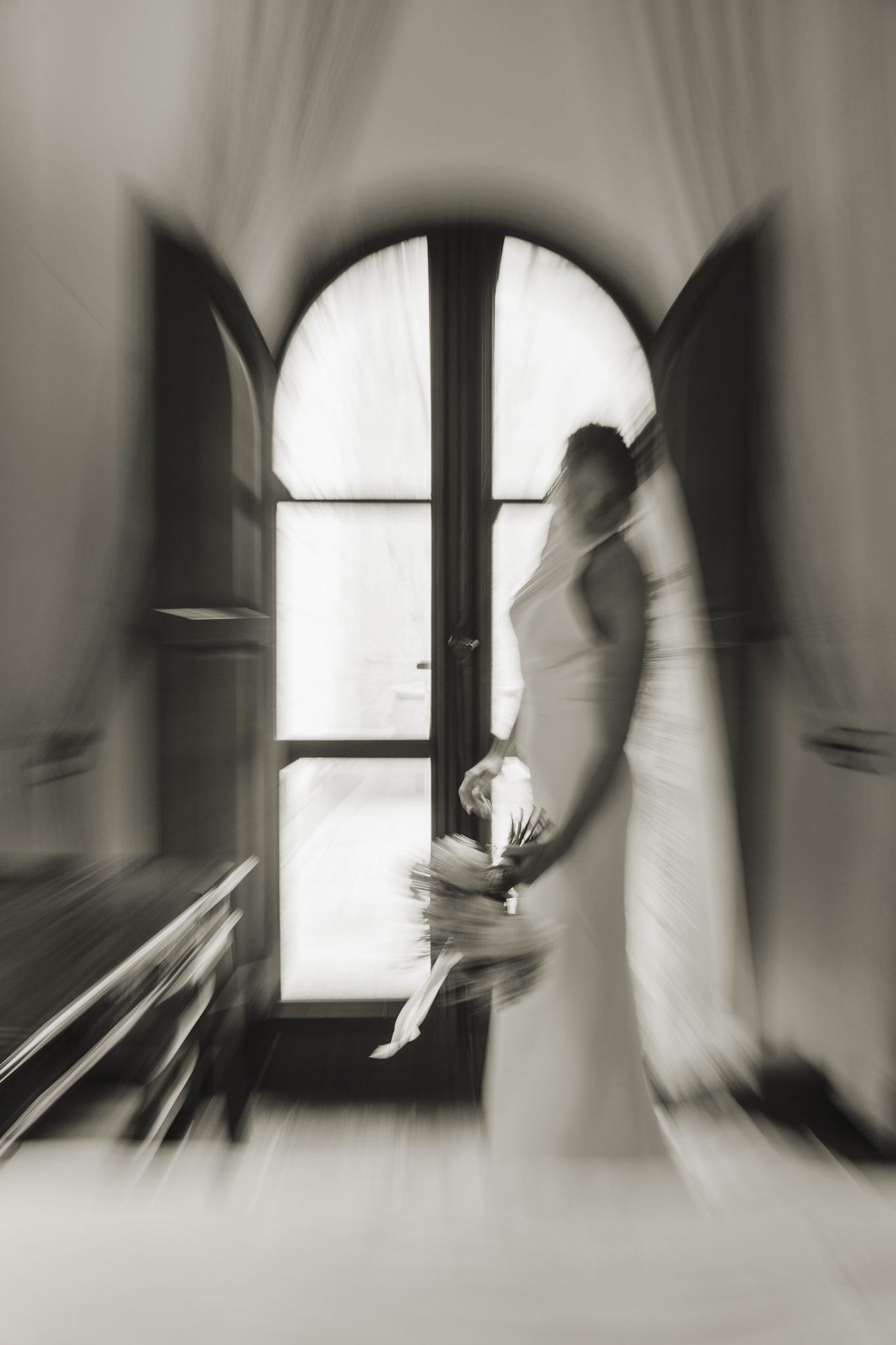
I look for good light, put you in it, and then mostly let you be. If you need some direction, I'll give it. No false posing.
For video, I'm influenced more by independent film than by other wedding videos. Your highlight film will have a real beginning and end, and I'll leave out anything that doesn't need to be there.
One person, three cameras
For an elopement in Paris, it's just me. The streets are narrow, the cafés are small, and a crew with tripods gets in the way. I cover both photo and video myself.
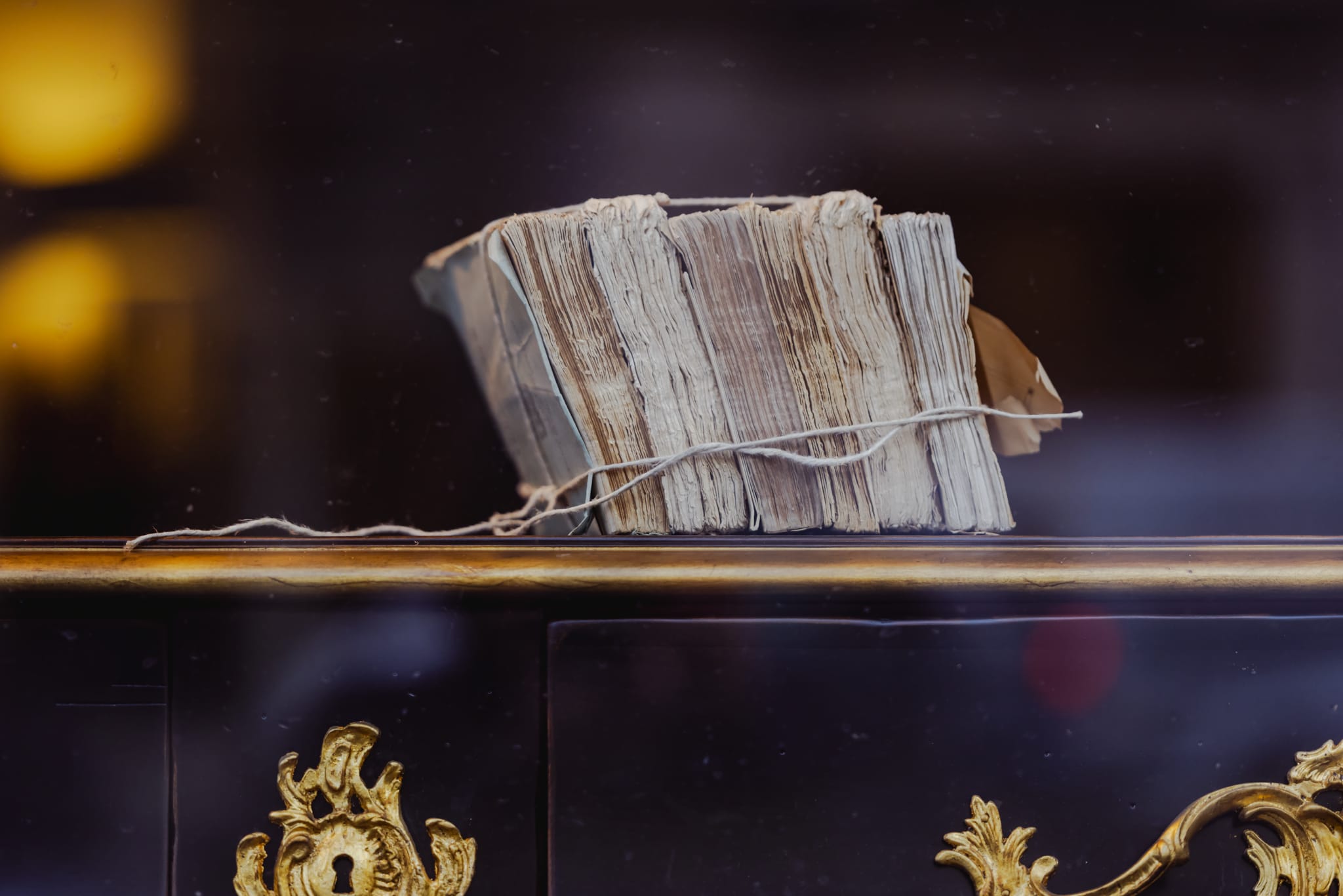
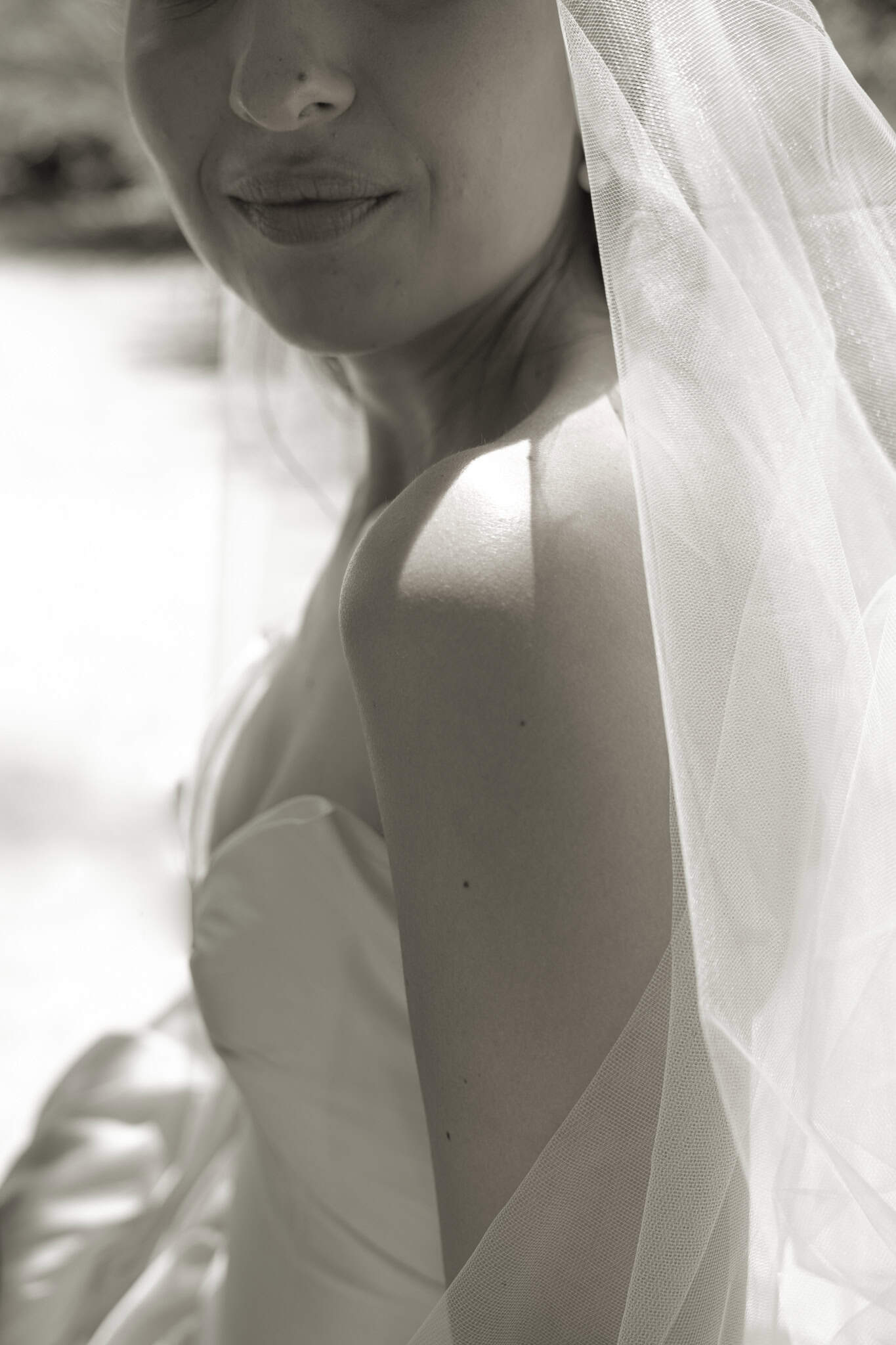
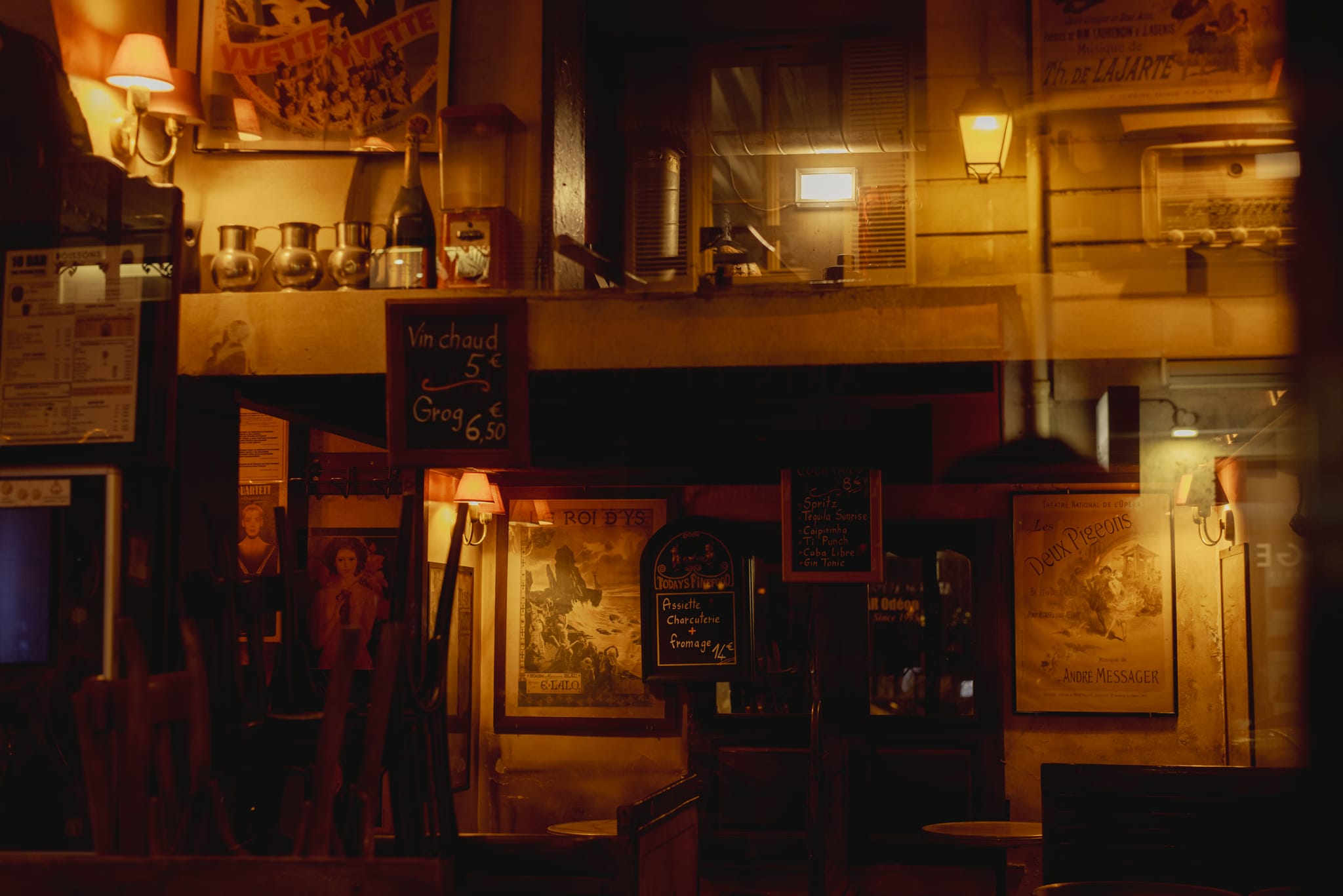
I also bring two film cameras, a medium format and a 35mm. A roll of medium format has only 12 frames, so I can't shoot a lot and sort it out later. I have to wait for the moment. I hold that camera at my waist and look down into it, so it's never in front of my face, and people forget about it pretty quickly. Film also picks up the texture of old stone and café windows in a way digital doesn't.
A few practical things
The paperwork. To get legally married in France, you have to have lived there for a while first, which most visitors haven't. So most couples do the legal part at home and have the ceremony in Paris. That means you can have it almost anywhere: a small square, a garden, a bridge early in the morning.
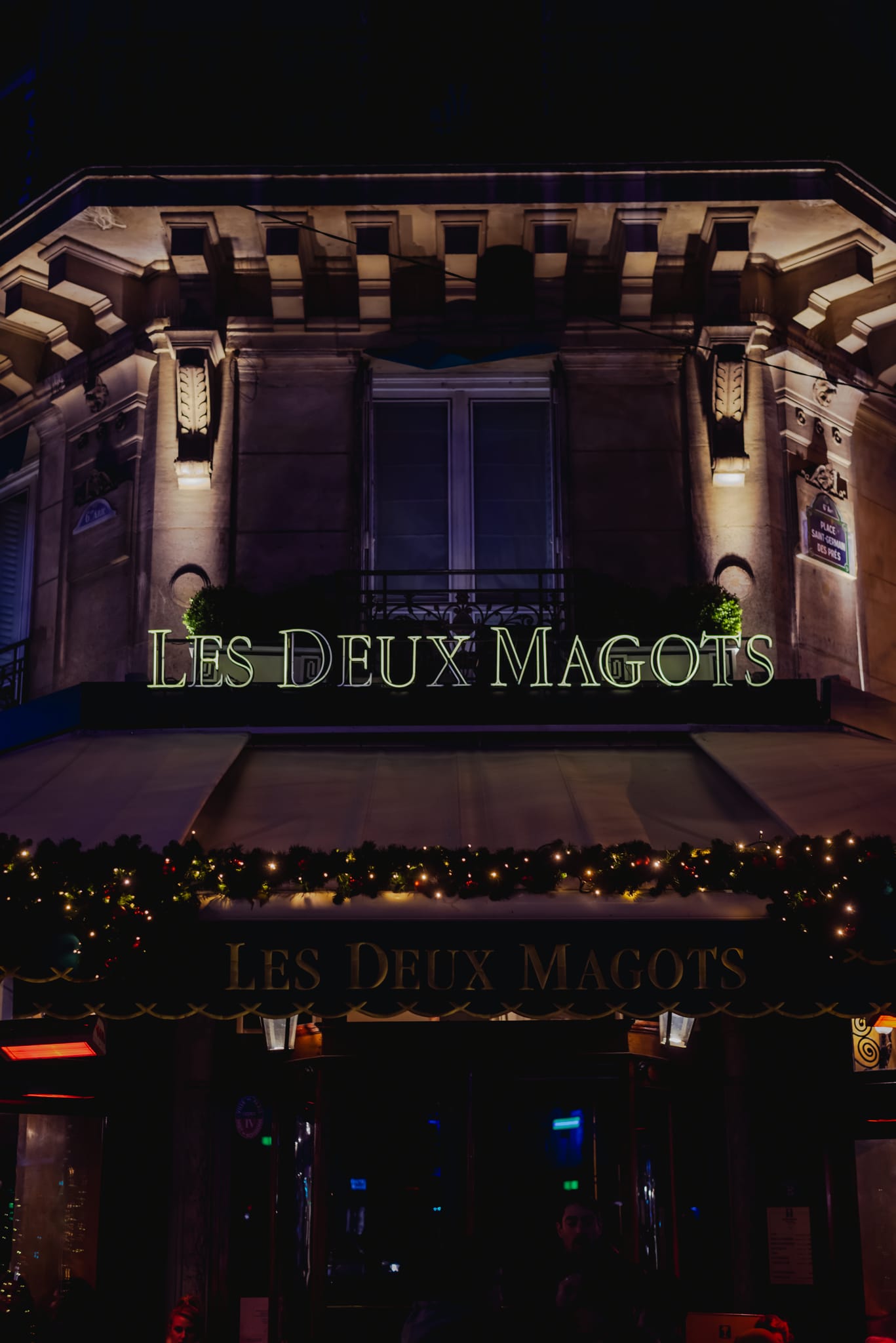
The time of day. Early. Before about 8 a.m. it's mostly delivery vans and street sweepers, and the light is soft. Evenings by the river work too, once the tour boats slow down.
The weather. I like a cloudy day in Paris. The light is soft and even, and it's flattering on everyone.
Half an hour west
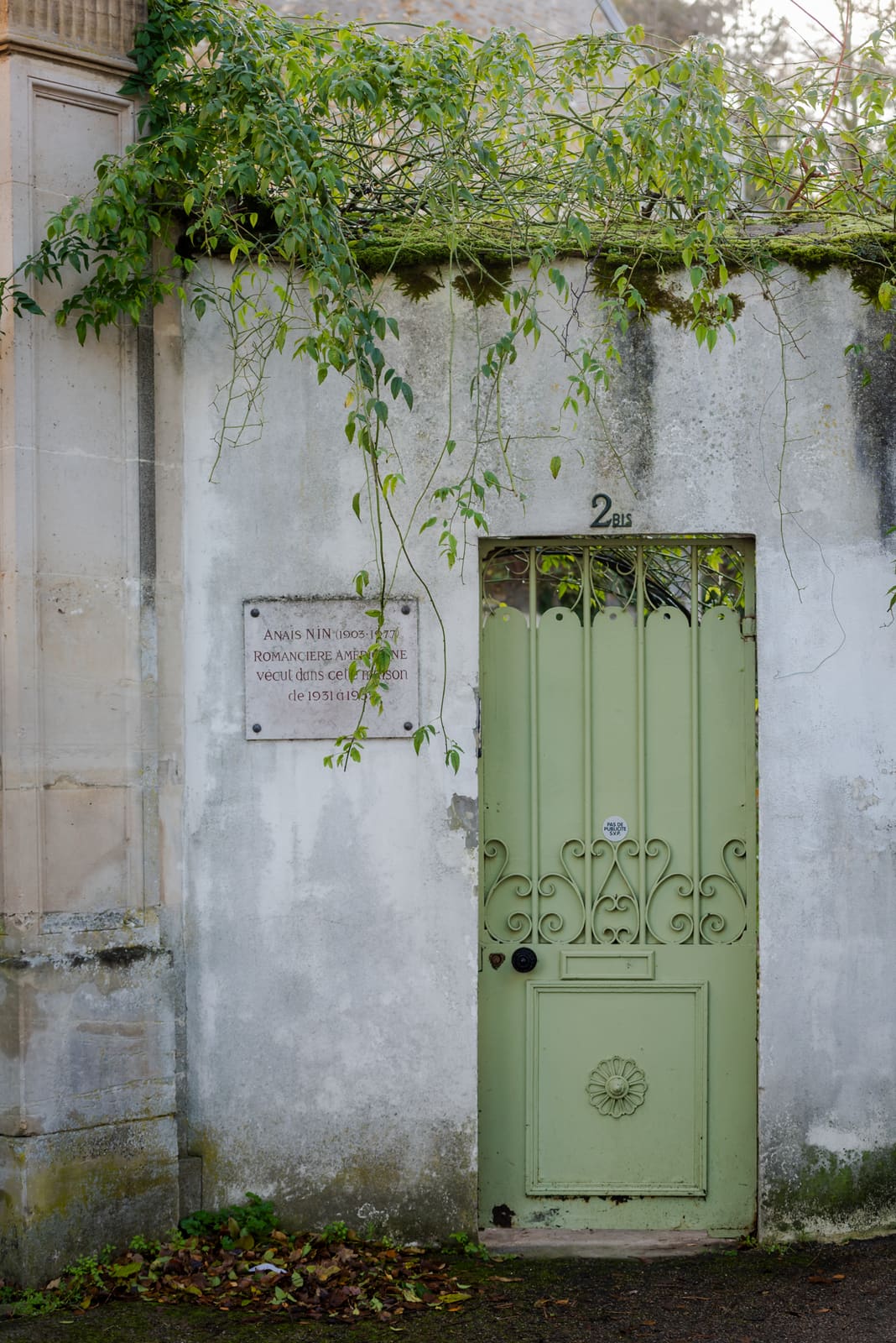
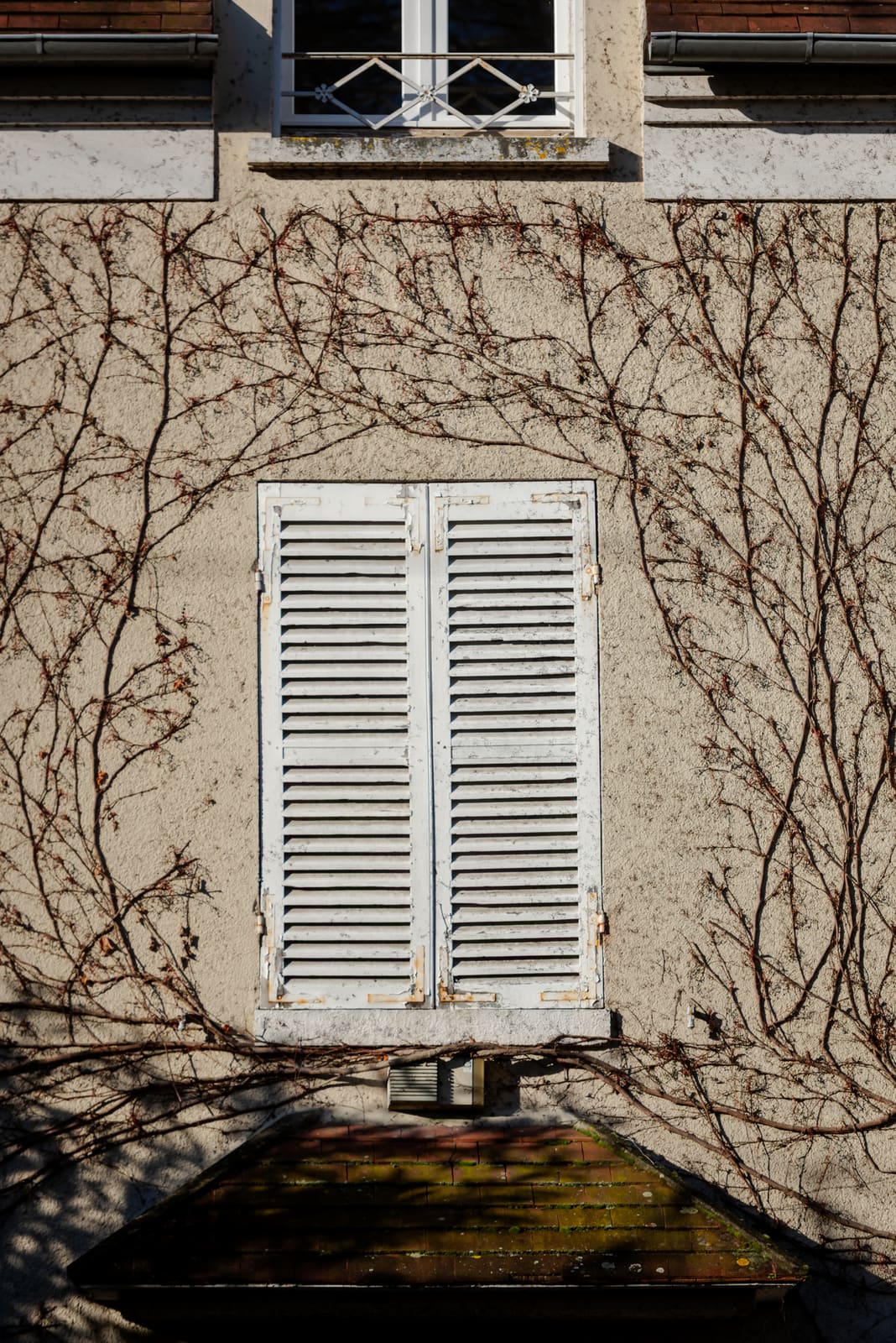
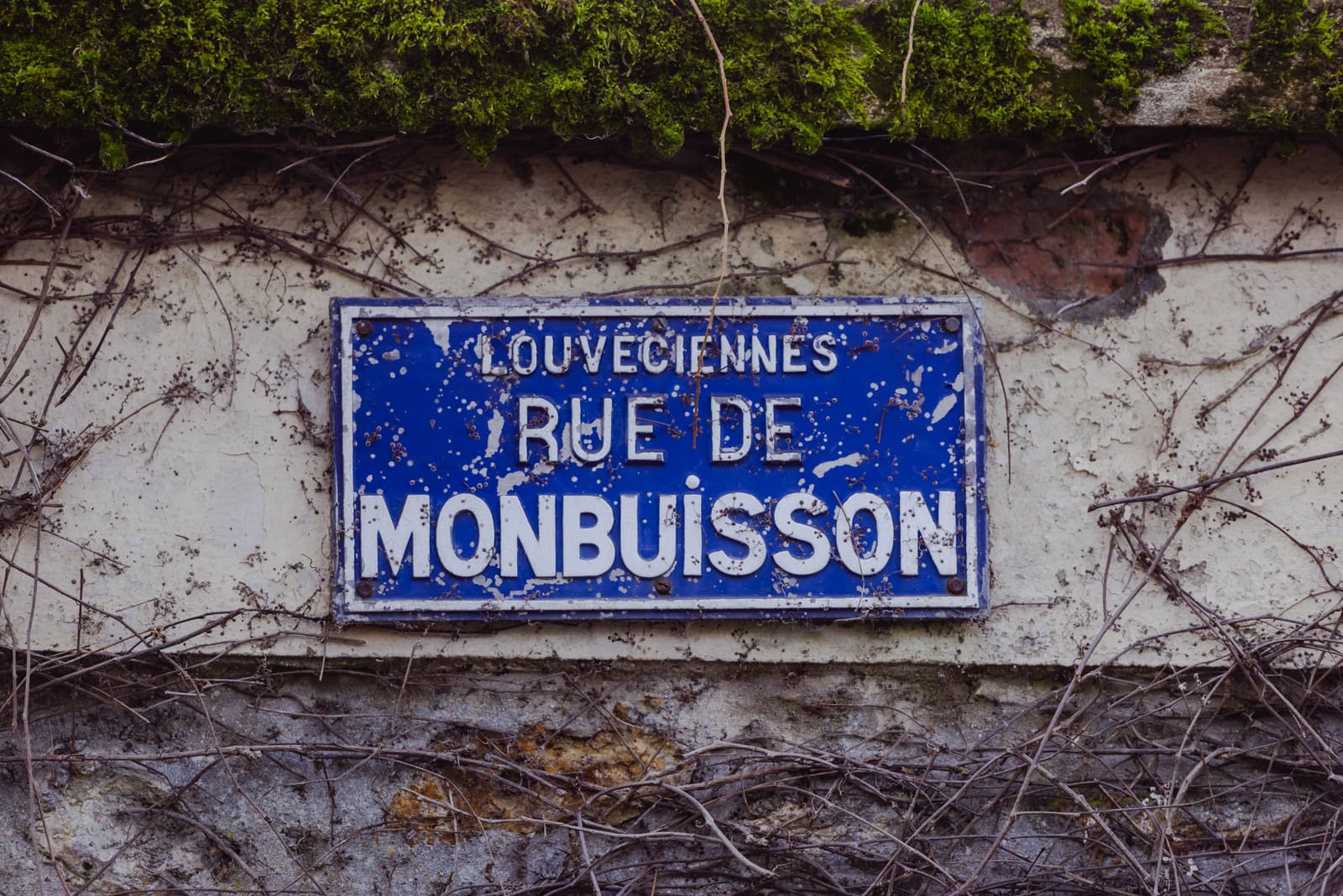
If you want Paris in the morning and somewhere quieter later, Louveciennes is a short train ride west of the city. It's a small village with stone walls and vines. Anaïs Nin lived behind the green door at 2 bis rue de Montbuisson in the early 1930s, and Henry Miller visited her there often. Even if you don't know the story, it's a nice street to walk down together.
Investment
I keep packages simple and easy. For Paris, this is it: one price, with all travel fees included, and no hidden or extra travel fees.
Paris Elopement
$6,500 usd
All travel included. No hidden or extra travel fees.
- All day, from getting ready to the last light
- Edited, high-resolution photos in your own online gallery
- A cinematic highlight film, in about 3 months
- Drone photos and video, where it's allowed
- Vintage film: medium format or 35mm
- Help choosing locations and planning the day
- Sneak peeks within 48 hours, full gallery in about 2 months
- All my travel to Paris included
Tell me about your Paris
Send me your dates and a little about the two of you, and we'll start there.
Featured in El País, The Wall Street Journal, and Filmmaker Magazine. All love welcome.
Home is Oaxaca. See my Oaxaca elopements.